Conquering Kilimanjaro: What to Expect on Summit Day & Altitude Advice
Summit day on Mount Kilimanjaro is the most challenging and rewarding part of the entire trek. It is the moment when months of preparation come together, pushing both physical and mental limits. For many climbers, reaching Uhuru Peak is a life-changing achievement. At Maajabu Africa Safari, we prepare our climbers thoroughly so they know exactly what to expect when the final ascent begins.
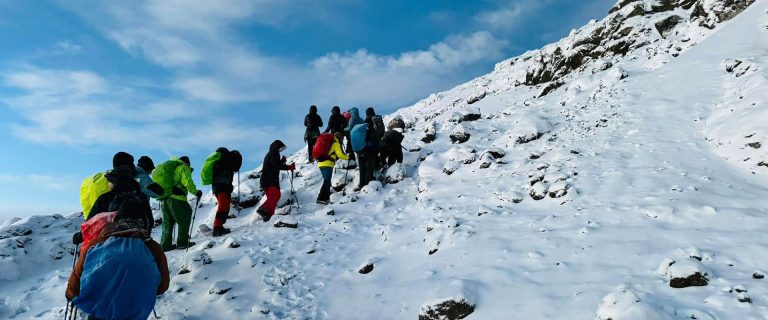
Summit day usually starts around midnight, when climbers leave camp under the stars. The early start allows you to reach the summit at sunrise, offering breathtaking views over the glaciers and plains below. Temperatures can drop well below freezing, and strong winds are common, making proper layering and mental focus essential throughout the long night climb.
The terrain on summit day is steep, rocky, and slow-going. Climbers move in a steady rhythm known as “pole pole,” meaning “slowly” in Swahili. This slow pace helps conserve energy and allows the body to adapt to the thin air. Expect frequent short breaks, encouragement from guides, and a strong emphasis on steady breathing and hydration.
Altitude is the greatest challenge on Kilimanjaro. As you climb above 4,500 meters, oxygen levels drop significantly, and symptoms such as headache, nausea, dizziness, or fatigue may appear. Experienced guides from Maajabu Africa Safari continuously monitor climbers for signs of altitude sickness and make safety decisions based on individual conditions.
Proper altitude management begins long before summit day. Choosing routes with good acclimatization, taking rest days, drinking plenty of water, and eating well all improve your chances of success. Listening to your body and communicating openly with your guide is critical, as there is no shame in turning back if your health is at risk.
Mental strength plays a crucial role during the final ascent. Summit day is long, cold, and exhausting, often lasting 10 to 14 hours from start to finish. Staying positive, focusing on small goals, and trusting your guides can make the difference between stopping early and standing at the summit.
Reaching the crater rim at Stella Point or Gilman’s Point is a major milestone. From there, the final walk to Uhuru Peak is gentler but emotionally powerful. The sunrise, the sense of achievement, and the realization that you are standing on the highest point in Africa create an unforgettable moment that makes every challenge worthwhile.
With Maajabu Africa Safari, climbers benefit from experienced mountain teams, high safety standards, and careful summit planning. Our priority is not just reaching the top, but ensuring every climber feels supported, informed, and safe. With the right preparation and altitude awareness, conquering Kilimanjaro becomes an achievable and deeply rewarding adventure.