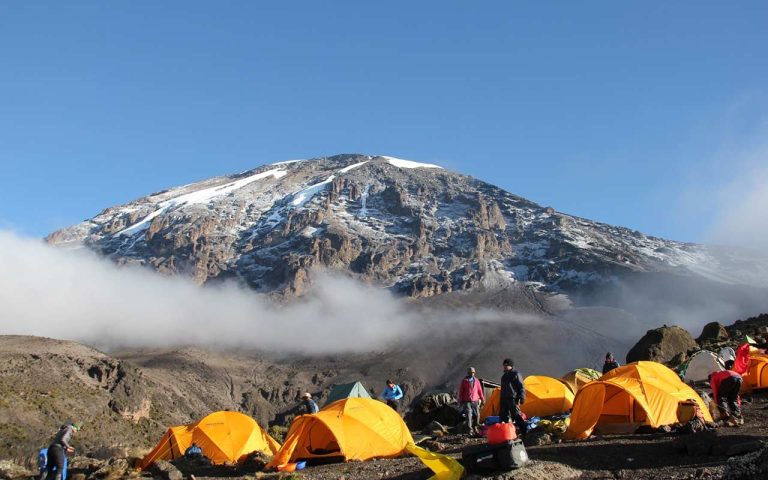
Preparing for a Kilimanjaro trek in 2026 is an exciting journey that begins long before you arrive in Tanzania. Mount Kilimanjaro, Africa’s highest peak, is not a technical climb, but its altitude, weather changes, and multi-day trekking demands serious preparation. With the right training, proper gear, and expert guidance from Maajabu Africa Safari, your climb can be safe, enjoyable, and deeply rewarding.
Physical training is the foundation of a successful Kilimanjaro trek. At least three to six months before your climb, focus on building cardiovascular endurance through hiking, stair climbing, cycling, or brisk walking. Strength training for legs, core, and back is equally important, as you will be walking several hours a day while carrying a daypack. Consistency matters more than intensity, so gradual progress is key.
Altitude preparation is another critical factor when climbing Kilimanjaro. While you cannot fully simulate high altitude at home, improving your overall fitness and choosing a longer route helps your body adapt. Routes such as Lemosho or Northern Circuit offer better acclimatization by allowing slower ascent. Maajabu Africa Safari strongly recommends itineraries with extra days to increase summit success and reduce altitude sickness risks.
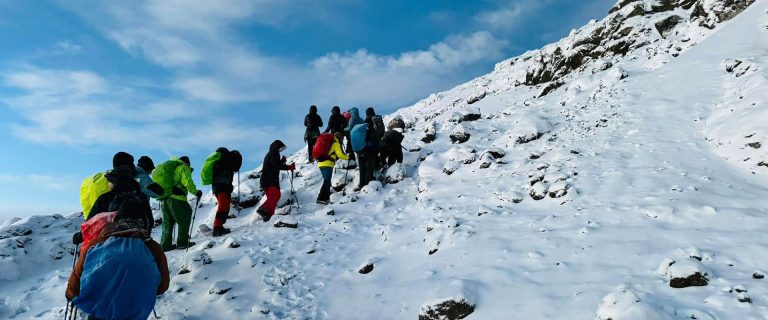
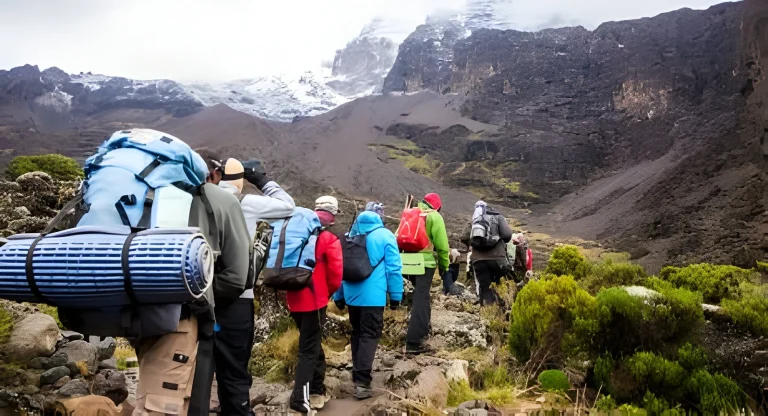
Choosing the right gear can make or break your Kilimanjaro experience. Essential items include well-broken-in hiking boots, moisture-wicking clothing, insulated layers, and a waterproof jacket. Temperatures range from tropical heat at the base to freezing conditions near the summit, so layering is vital. Quality gear ensures comfort, warmth, and protection in all climate zones of the mountain.
A good sleeping system is equally important for recovery. A four-season sleeping bag rated for sub-zero temperatures is recommended, along with a sleeping mat for insulation. Trekking poles help reduce strain on knees, especially during descents. Your packing list should balance preparedness and weight, carrying only what you truly need for the climb.
Nutrition and hydration play a major role in summit success. During the trek, your body burns more calories and loses fluids faster due to altitude. Drinking at least three to four liters of water daily helps prevent dehydration and altitude sickness. Meals provided by Maajabu Africa Safari are designed to be nutritious, energy-rich, and easy to digest to keep you strong throughout the climb.
Mental preparation is often overlooked but just as important as physical readiness. Kilimanjaro challenges your patience, determination, and mindset, especially on summit night. Staying positive, walking at a steady pace, and trusting your guides makes a significant difference. Remember, the goal is not speed but steady progress and safe acclimatization.
Finally, choosing an experienced local operator is one of the most important decisions you will make. Maajabu Africa Safari offers professional mountain guides, high safety standards, and well-planned itineraries tailored for 2026 climbers. With proper preparation, the right support, and respect for the mountain, reaching Uhuru Peak becomes a life-changing achievement you will never forget.